
Last Updated: November 17, 2026
Quick Summary
To stop a dog eating too fast, use a slow-feeder bowl, split meals into three or four smaller portions, and add a food puzzle or snuffle mat. Feed dogs separately and keep mealtime calm, changing one thing per week. If meals still take under two minutes, move to a deeper maze or smaller portions.
- A slow feeder bowl works because ridges, mazes and pockets force the dog to work for each piece of kibble.
- Repeated vomiting, a hard swollen belly or unproductive retching needs a vet now because bloat moves fast.
- Change one thing per week, since changing everything at once frustrates dogs and they refuse the bowl.
- A muffin tin with kibble in each cup or a cookie sheet with a thin scatter slows the meal with no purchase.
- Soaking dry kibble in warm water makes the meal heavier and more filling for a speed eater.
Table of Contents
- How to Stop a Dog from Eating Too Fast at Home
- Why a Slow Feeder Bowl for Dogs Works
- Dog Eating Too Fast and Throwing Up or Bloated: When to Call a Vet
- How to Stop a Dog Eating Too Fast at Home: A Step-by-Step Plan
- Household Alternatives: Muffin Tins, Cookie Sheets and Snuffle Mats
- Food Texture, Portion Size and Filling Meals
- Safe Setup and Cleaning of Feeding Tools
- A Tailored Plan by Dog, Household and Food Type
- Frequently Asked Questions
How to Stop a Dog from Eating Too Fast at Home
Learning how to stop a dog eating too fast starts with one idea: make the meal take longer than the dog wants. At AP Retail Mart, we stock pet supplies for exactly this kind of everyday fix.
Dogs gobble food for real reasons: competition with other pets, love of food, or plain habit.
Why a Slow Feeder Bowl for Dogs Works
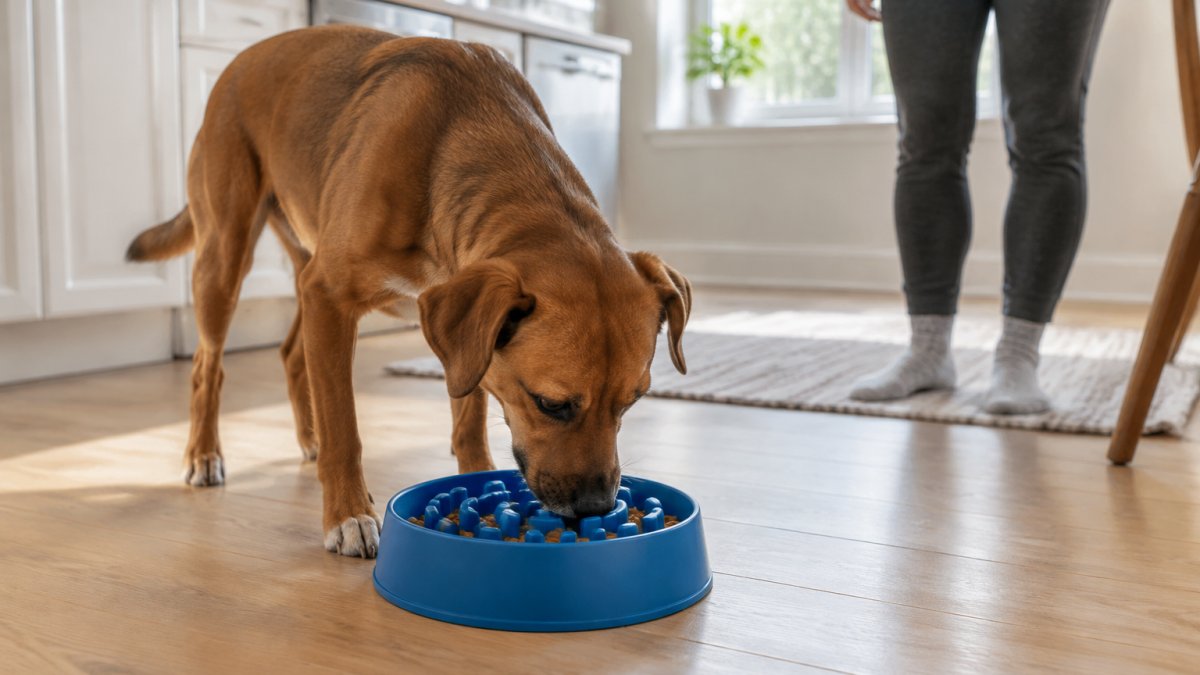
A slow feeder bowl for dogs works because ridges, mazes and pockets force the dog to work around an obstacle for each piece of kibble, which slows the meal down.
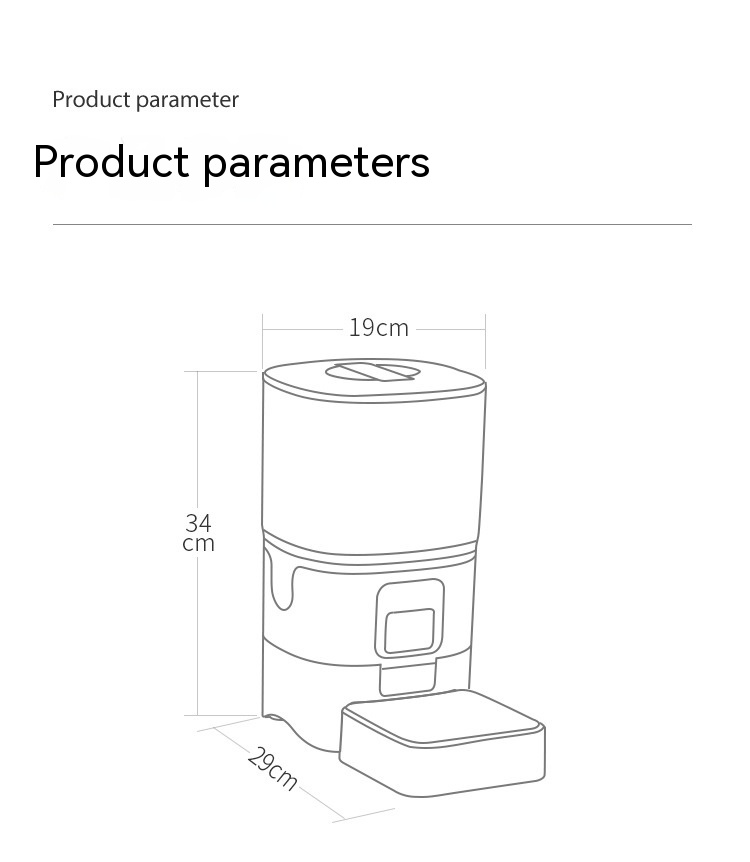
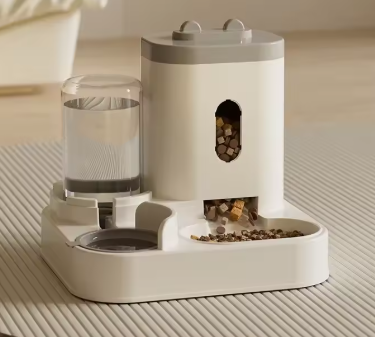
For portion control, a timed feeder takes the guesswork out of meal size. The 6L smart automatic pet feeder with WiFi control lets you manage feeding times and portions from your smartphone, while the automatic pet feeder and water dispenser bowl is a basic setup without the tech.
Dog Eating Too Fast and Throwing Up or Bloated: When to Call a Vet
Occasional gagging after a fast meal usually settles. Repeated vomiting, a hard swollen belly, or unproductive retching needs a vet now, those signs point toward bloat, and bloat moves fast.
| What you see | What it likely means | What to do |
|---|---|---|
| One soft burp or a single gag after eating | Air swallowed during speed eating | Slow the meal down, watch the next one |
| Food comes back up shortly after eating, dog is fine after | Regurgitation from eating too fast | Use a slow feeder, smaller portions |
| Repeated vomiting, restless pacing, drooling | Possible stomach upset, needs checking | Call your vet the same day |
| Hard, swollen belly, retching with nothing coming up | Possible bloat, a medical emergency | Go to a vet immediately |
Bloat, or gastric dilatation-volvulus, is a serious condition that needs prompt veterinary attention; do not wait to see if it passes (Gastric Dilation and Volvulus in Small Animals - Digestive System).
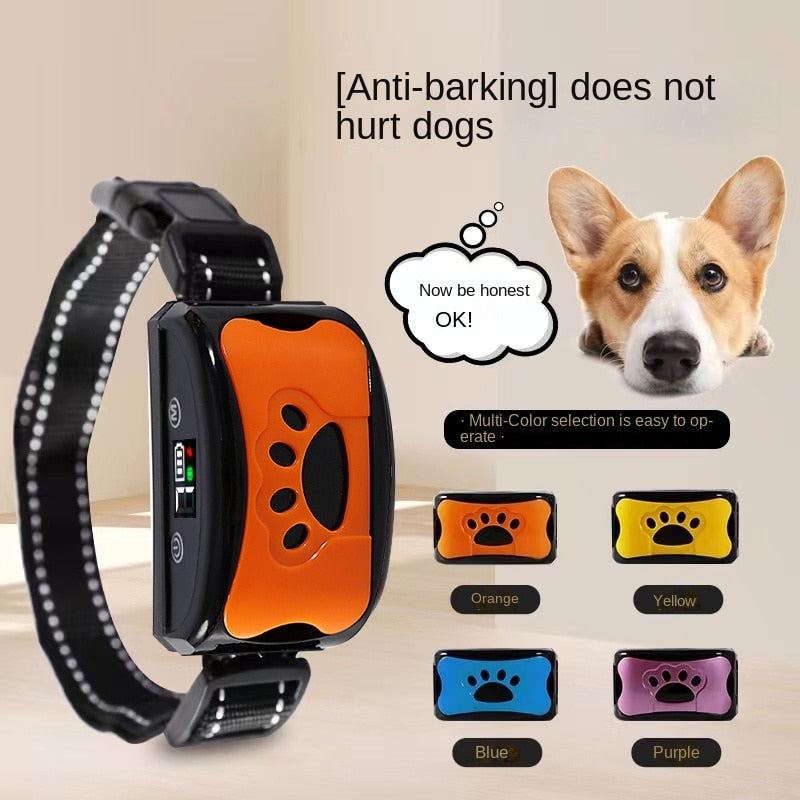
If your dog also barks or gets wound up around mealtime, that is a separate behavior, and a training collar for barking is one option for the noise while you sort out the feeding routine.
How to Stop a Dog Eating Too Fast at Home: A Step-by-Step Plan
Measure the daily portion, split it into three or four small meals, switch to a slow-feeder bowl for one meal a day, add a food puzzle or snuffle mat, feed dogs separately, keep mealtime calm, and review after a week, if meals still take under two minutes, go to a deeper maze or smaller portions.
Change one thing per week; changing everything at once frustrates dogs and they refuse the bowl.
Household Alternatives: Muffin Tins, Cookie Sheets and Snuffle Mats
You do not need to buy anything today: a muffin tin with a few pieces of kibble in each cup, or a cookie sheet with a thin scatter of food, slows the meal down.
A snuffle mat hides kibble in fabric folds for food scattering plus mental stimulation in one.
Hand feeding is simplest of all: toss a piece of kibble across the floor, let the dog chase it, repeat.
Food Texture, Portion Size and Filling Meals
Some dogs eat fast because light, airy kibble does not fill them up, so the next meal goes down just as fast.
Add wet food or soak dry kibble in warm water for a heavier meal, weigh the portion against the feeding guide, and add plain cooked pumpkin or green beans if your vet approves.
Filling food plus smaller portions is often the whole fix.
Safe Setup and Cleaning of Feeding Tools
Slow feeders and puzzle toys only help if they are clean and set up right; food residue in deep ridges grows bacteria fast.
Rinse after each meal, wash by hand or on the top rack if the label allows, check plastic toys for cracks, dry thoroughly, and keep water bowls separate and refilled daily.
A cracked puzzle toy can break into sharp pieces, so inspect it weekly.
A Tailored Plan by Dog, Household and Food Type
One dog on dry food: slow-feeder bowl plus a snuffle mat meal. Multiple dogs: separate feeding areas, one slow feeder each. Flat-faced breeds: shallow slow feeder, hand feeding, scatter feeds. Working breeds: puzzle feeder and wobbly dispenser. Senior dogs: elevated bowl, smaller portions.
A dog that guards food needs to be fed alone, in a quiet room, with no reaching into the bowl.
Frequently Asked Questions
Why does my dog eat so fast?
Most dogs eat fast out of instinct, competition with other pets, or because meals are the highlight of their day. Some dogs were fed in a multi-dog household where food disappeared quickly, and the habit stuck. Others simply find kibble easy to swallow without much chewing. Whatever the cause, the result is the same: food goes down before the stomach is ready, which raises the risk of vomiting, gagging and bloat. Splitting daily meals into smaller portions and using a slow feeder bowl for dogs gives the stomach time to keep up.
Do slow feeder bowls really work for dogs?
Yes, for most dogs. A slow feeder bowl for dogs has ridges, mazes or raised sections that force the dog to work around obstacles to reach kibble, which stretches a meal from under a minute to several minutes. Start with a shallow pattern and move to a deeper maze if your dog still finishes too quickly.
Can eating too quickly make a dog bloated?
Fast eating is one recognised risk factor for bloat, or gastric dilatation-volvulus, a life-threatening emergency where the stomach fills with gas and can twist. Swallowed air from gobbling contributes to the gas buildup. If your dog ate too fast and is bloated, with a hard swollen belly, retching without producing vomit, restlessness or drooling, treat it as an emergency and contact a vet immediately. Do not wait to see if it settles.
