
Quick Summary
To buy quality jewelry online, check the listing for specific metal and purity details, verify the stamp and certificate, and compare like-for-like prices before paying. Confirm the seller's address, return policy and secure payment method, and treat a price far below other sellers as a warning sign.
- Look for named metal and purity, such as 14K or 18K gold, 925 sterling silver, or platinum 950, not vague terms like premium.
- Ask the seller for the exact metal, stone type, grading report and total gram weight in writing.
- Compare pieces only when metal, gram weight, stone grade and finish match, then add shipping, taxes and resizing costs.
- Pay by credit card for chargeback rights, and avoid wire transfers, gift cards or unknown peer-to-peer apps.
- Read the return window, who pays return shipping and the warranty terms before you buy.
Table of Contents
- What to Check Before You Add Jewelry to Your Cart
- How to Tell If Jewelry Is Real Online
- Where to Get Good Quality Jewelry for Cheap and Compare the Real Price
- Choosing the Best Online Jewelry Store for Necklaces and Everyday Pieces
- Frequently Asked Questions
What to Check Before You Add Jewelry to Your Cart
Last Updated: November 13, 2026
Buying quality jewelry online takes a few minutes of checking before you pay.
Start with the listing: read the material, finish and size details. A listing that names the metal, plating or alloy gives real information; vague words like "premium" or "luxury" do not.
Next, Google the exact product name and compare two or three offers. A price far below the rest is a warning sign, not a bargain.
How to Tell If Jewelry Is Real Online
Many fake and misdescribed items are listed online, so verify authenticity yourself before you buy, at checkout, and after delivery.
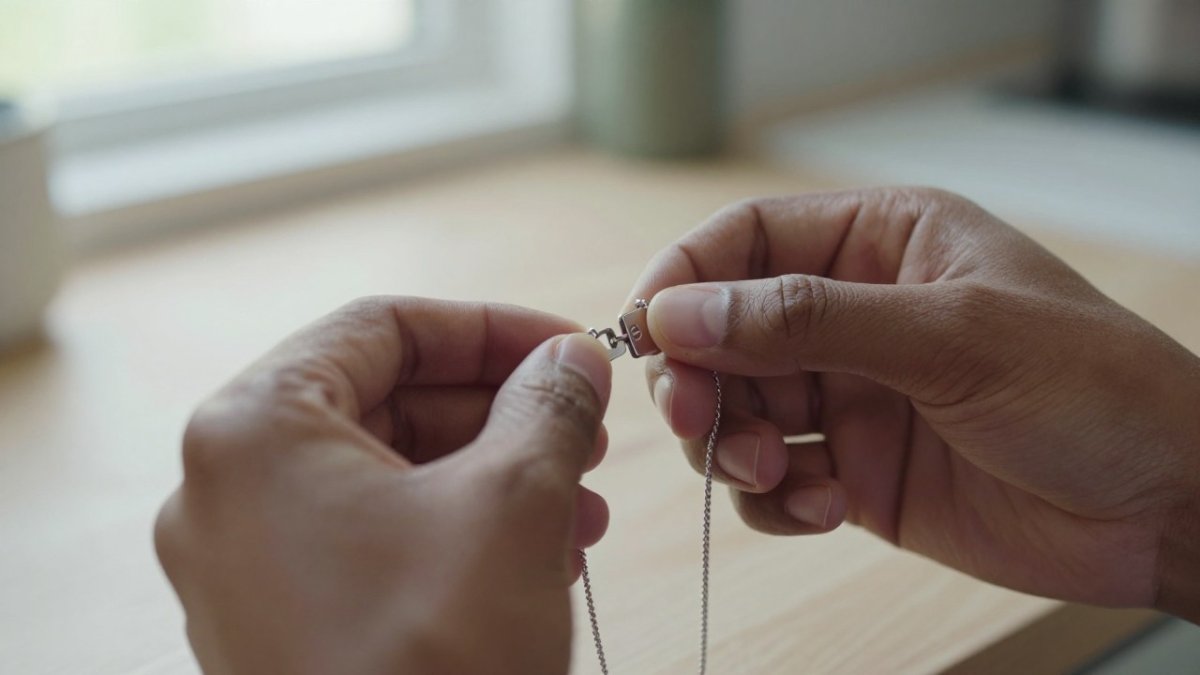
Before you buy: read the listing like a spec sheet. A trustworthy listing names the metal and purity, 14K or 18K gold, 925 sterling silver, or platinum 950, not "gold tone" or "premium finish." Look for close-up photos of the hallmark or stamp inside a ring band, on a clasp, or on the back of a pendant. Common marks: "925" or "Sterling" for silver, "14K" or "585" for 14-karat gold, "18K" or "750" for 18-karat gold, and "PT950" for platinum. No stamp plus a vague description is a reason to ask questions or move on.
Ask the seller direct, specific questions. What is the exact metal and purity? Is the stone natural, lab-grown, or a simulant? Does it come with a grading report, and from which lab? What is the total gram weight? A seller who cannot answer in writing is a risk.
Check certificates and grading reports. Match the report number and measurements to the product description; a certificate you cannot verify proves nothing.
After delivery: verify the physical piece. Use a jeweler's loupe or phone macro lens to find the stamp and compare it to the listing. Weigh the piece against the stated gram weight, a large discrepancy is a red flag. Check gemstone dimensions with calipers against the certificate. For high-value items, take it to an independent jeweler or appraiser for a verbal assessment; many confirm metal type and stone identity for a small fee, and a formal appraisal gives you a written record for insurance or a dispute.
Watch out: A photo of a certificate is not a certificate. Be wary of "certificates" from a company you cannot look up independently.
!Close-up of a person's hands examining a silver necklace clasp under soft daylight at a kitchen table
Where to Get Good Quality Jewelry for Cheap and Compare the Real Price
Quality and a fair price are not opposites, but headline prices can mislead. To compare two pieces honestly, normalize them to the same basis: metal type and weight, stone quality, labor, shipping, taxes, and the cost of getting the fit right.
Build a like-for-like comparison. For each piece, note metal and purity, total gram weight, stone carat weight and grading (or "no stone"), chain or band width, and finish. Two 14K gold chains at the same price are not equivalent if one weighs 2 grams and the other 5. A 1-carat stone with a GIA report is not comparable to one with no report. Compare within the same metal, weight band, and stone grade, then look at price.
Add the costs that do not appear in the listing price. Shipping, duties and taxes, gift wrap, and sizing or resizing fees all change the real cost. A ring that ships free but needs a paid resize may cost more overall than one with a flat shipping fee and a free resize.
Check the return, exchange, and warranty terms before you pay. Read the return window, who pays return shipping, whether engraved or sized items are excluded, and whether refunds go to the original payment method or store credit. Confirm what the warranty covers, for how long, and whether repairs are in-house or third-party. A generous, clearly written policy is worth paying a little more for.
Use payment methods that protect you. A credit card can give you chargeback rights if an item is not as described or never arrives. Avoid wire transfers, gift cards, or peer-to-peer apps with unknown sellers, those offer no recourse. Buy through an HTTPS checkout with a recognizable payment processor, and keep the order confirmation, listing screenshots, and seller messages as evidence.
Verify the seller's identity and reputation. Look for a physical business address, a working phone number, and a return policy page, not just a contact form. Search the business name plus "reviews" and "complaint," and check whether the same product photos appear on other sites under different names, a common sign of a drop-shipper or counterfeit listing. On marketplaces, read recent feedback for mentions of authenticity, sizing, and returns, not just the star rating.
Watch out: A price far below every other seller for the same described piece is a warning sign. Compare metal weight and stone grade first; if the specs are genuinely equal and the price is still far lower, assume something in the listing is not what it appears to be.
Browse our jewelry category to see what is available and what each piece costs.
Choosing the Best Online Jewelry Store for Necklaces and Everyday Pieces
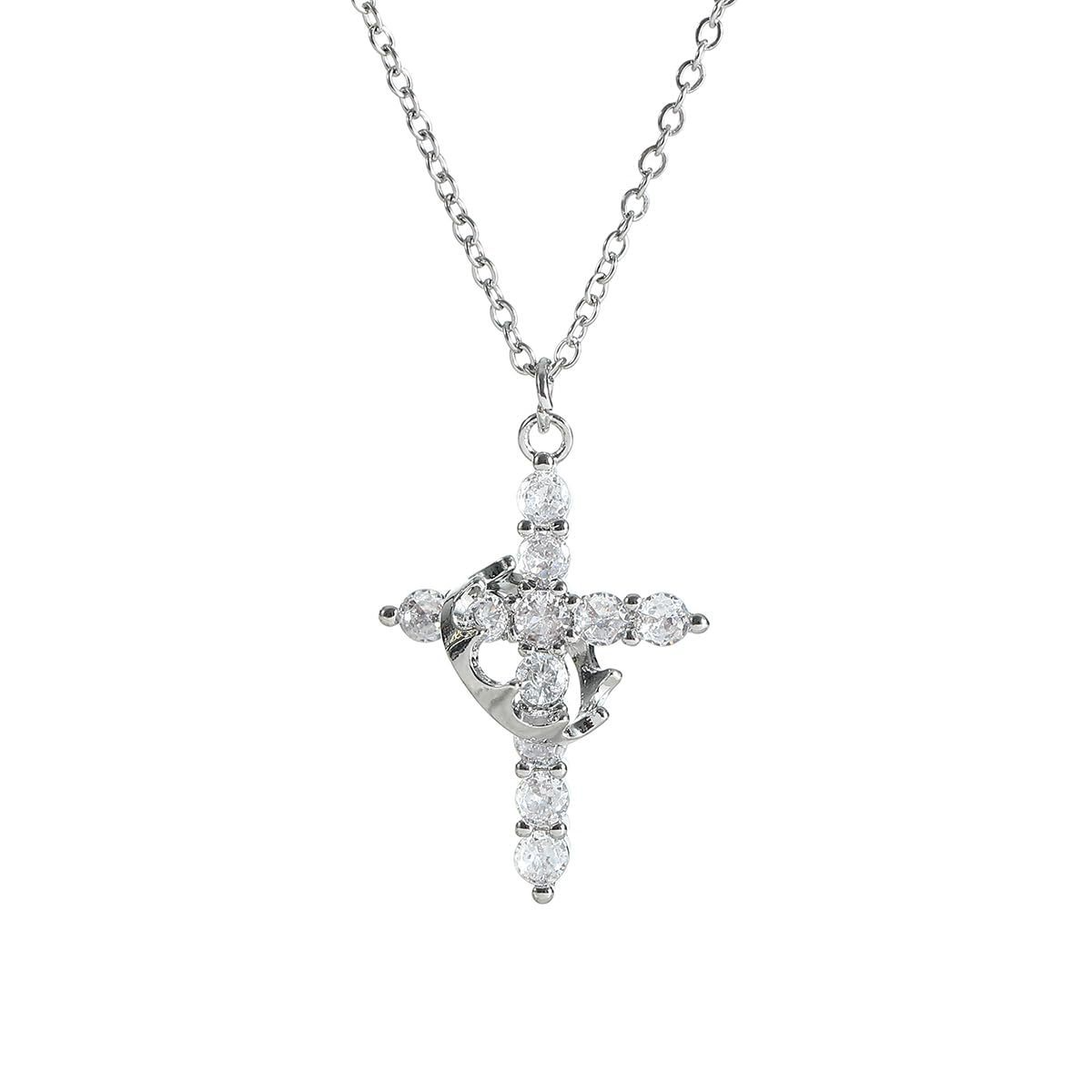
For everyday wear, look for lightweight pieces with durable finishes. Our second jewelry collection shows the range we stock for daily use, and the Crown Cross Necklace is a versatile everyday piece with a symbolic design and an adjustable length of 41 to 50 cm.
Whichever store you choose, buy the piece you would still want to wear after a year, not the one that looks cheapest today.
Frequently Asked Questions
Can you trust online jewelry stores?
Yes, if the store shows clear metal type and karat purity, lists materials and dimensions in full, states its return and exchange policy before checkout, and gives a real contact method. Be cautious with listings that use vague terms like 'gold-look' or 'silver tone' without naming the base metal, or that show no returns information. Checking seller reviews, comparing the same item across two or three retailers, and looking for a documented warranty all help you separate trustworthy sellers from risky ones before you pay.
What should you check before buying jewelry online?
Start with the metal and stone specifications: the karat or plating type, the base metal, and the gemstone type and size. Confirm the return and exchange window, who pays return shipping, and whether the item has a warranty. Compare the product against the same item from another retailer so you know the full price, including shipping and taxes. Finally, check sizing guidance, since rings and necklace lengths are hard to judge from photos alone.
