
Last Updated: November 11, 2026
Quick Summary
The best grooming brush for dogs that shed depends on coat type: the Pet Grooming Comb at $6.42 suits double-coated breeds, while the Grooming Glove for Pets at $1.89 works best for short hair and nervous dogs. Match the tool to the coat in front of you rather than the breed label alone.
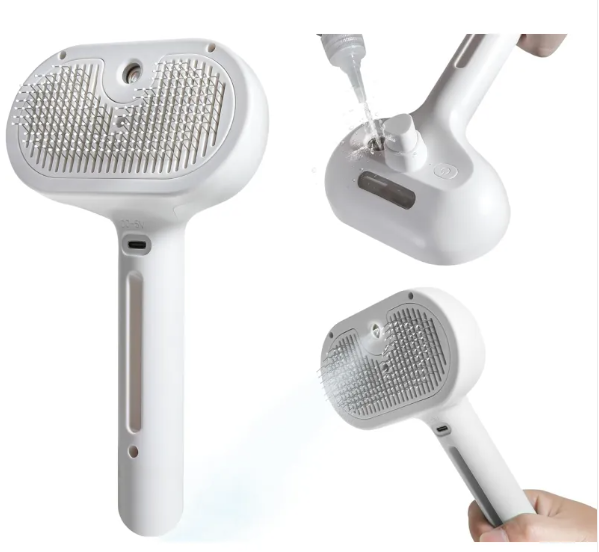
- The Pet Hair Spray Brush at $17.16 has a built-in water tank and release button.
- Brush for five to ten minutes, two or three times a week with light pressure.
- Shaving a double coat to stop shedding does not work and can grow back patchy.
- Keep puppy sessions to two or three minutes and pair brushing with treats.
- For sensitive skin, choose soft silicone bristles and brush every other day.
Table of Contents
- Quick Comparison: Four Grooming Brushes for Shedding Dogs
- How to Match a Brush to Your Dog's Coat Type
- Best Deshedding Brush for Double Coated Dogs
- Best Dog Brush for Shedding Short Hair
- How to Groom a Dog to Reduce Shedding
- Safe Use and Skin-Health Precautions
- Puppies, Seniors and Dogs With Sensitive Skin
- Choosing Your Grooming Brush at AP Retail Mart
- Frequently Asked Questions
Quick Comparison: Four Grooming Brushes for Shedding Dogs
If you are tired of finding loose fur on every cushion and car seat, the right grooming brush for dogs that shed will cut your cleaning time and keep your dog's coat healthier. This guide from AP Retail Mart compares the grooming brushes we stock, matched to coat type. Below, we show you exactly which brush suits which coat, how to use it without irritating skin, and what to expect in the first month.
At AP Retail Mart, we specialize in quality products rather than stocking items just because they are cheap to make a sale. Our picks range from a low-cost grooming glove to a spray brush with a built-in water tank.
| Brush | Price | Best For | Key Feature |
|---|---|---|---|
| Pet Grooming Comb | $6.42 | Double coats, large dogs | Serrated teeth plus smooth detangling teeth |
| Pet Hair Spray Brush | $17.16 | All coat types, light shedding | Built-in water tank and release button |
| Grooming Glove for Pets | $1.89 | Short hair, nervous dogs | Soft silicone bristles on a dual-sided mitt |
Price
How to Match a Brush to Your Dog's Coat Type
A grooming brush is a tool built to remove loose hair and detangle a coat without pulling on the skin. Matching the tool to coat type matters more than price. The wrong brush glides over a double coat or scrapes a short one. Use this coat-by-coat guide as a decision filter before you buy anything.
Short Coats
Short-haired breeds such as Beagles, Boxers, and Pugs shed small, sharp hairs that weave into fabric. A rubber curry or a soft silicone glove lifts them without scratching. Choose a glove with flexible nubs rather than stiff metal pins, and use short strokes in the direction of the coat. Skip undercoat rakes here, because there is little undercoat to reach and stiff teeth can scrape skin.
Long Coats
Long-haired dogs such as Golden Retrievers and Shih Tzus need detangling first, so smooth teeth and gentle strokes come before any shedding tool. A slicker brush with fine, bent wires works through the length, followed by a metal comb to check for hidden mats. Choose a comb with rounded teeth to avoid scratching. Skip close-tined flea combs on thick coats, because they snag.
Double Coats
Double-coated dogs such as German Shepherds, Labradors, and Huskies carry a soft undercoat beneath a weather-resistant topcoat. That loose undercoat is what fills your home, and it needs a tool that reaches beneath the topcoat rather than skimming it. A dual-tooth comb with serrated and smooth teeth is the right pick. A common mistake is shaving a double coat to stop shedding. It does not work, and the coat often grows back patchy.
Curly Coats
Poodles and doodle mixes have hair that grows continuously and sheds less, but it mats easily. Work in small sections, and check for mats with a comb. Skip undercoat tools, because there is no dense undercoat to strip and their teeth can pull curls.
Wiry Coats
Terriers and Schnauzers have a harsh topcoat that sheds little but benefits from regular brushing to remove dead hair. A grooming glove works well for brushing dead hair from a wiry coat.
A Simple Selection Guide
- Short coat: silicone glove or rubber curry.
- Long coat: slicker brush, then metal comb.
- Double coat: undercoat rake or dual-tooth comb.
- Curly coat: slicker brush with flexible pins plus comb.
- Wiry coat: slicker brush or rubber glove.
Match the tool to the coat in front of you, not to the breed label alone, because mixes often combine two coat types.
Best Deshedding Brush for Double Coated Dogs
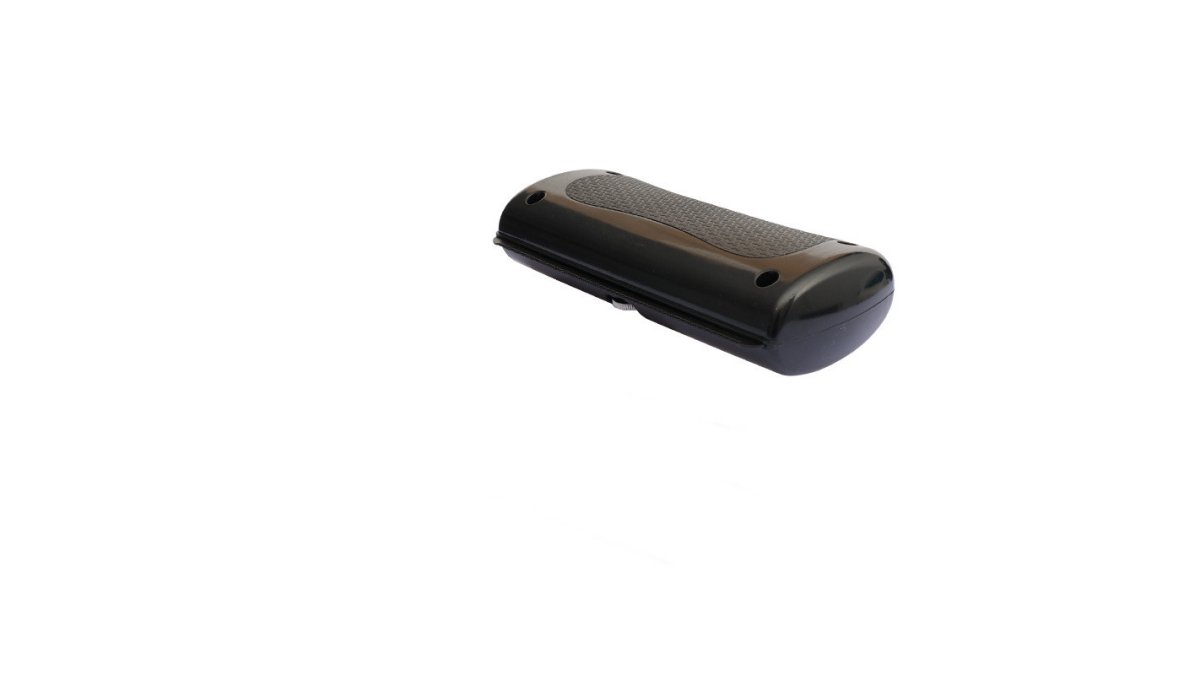
The best deshedding brush for double coated dogs reaches the loose undercoat without cutting the topcoat. Our pick is the Pet Grooming Comb, because its dual design does two jobs in one pass.
The serrated teeth lift loose hair from the undercoat, while the smooth teeth detangle without discomfort. The ergonomic handle gives a secure grip, which matters on a large dog that shifts around. It is built from TPR, metal and ABS, so it survives regular use. At $6.42, it costs less than most single-purpose tools.
Best for: German Shepherds, Labradors and other double-coated breeds. Skip if: your dog has a short, single coat with no undercoat to reach.
Best Dog Brush for Shedding Short Hair
For short-haired shedders, the Grooming Glove for Pets is the simplest tool we stock. Soft silicone bristles remove loose fur while giving a gentle massage, and the dual-sided mitt suits all fur lengths.
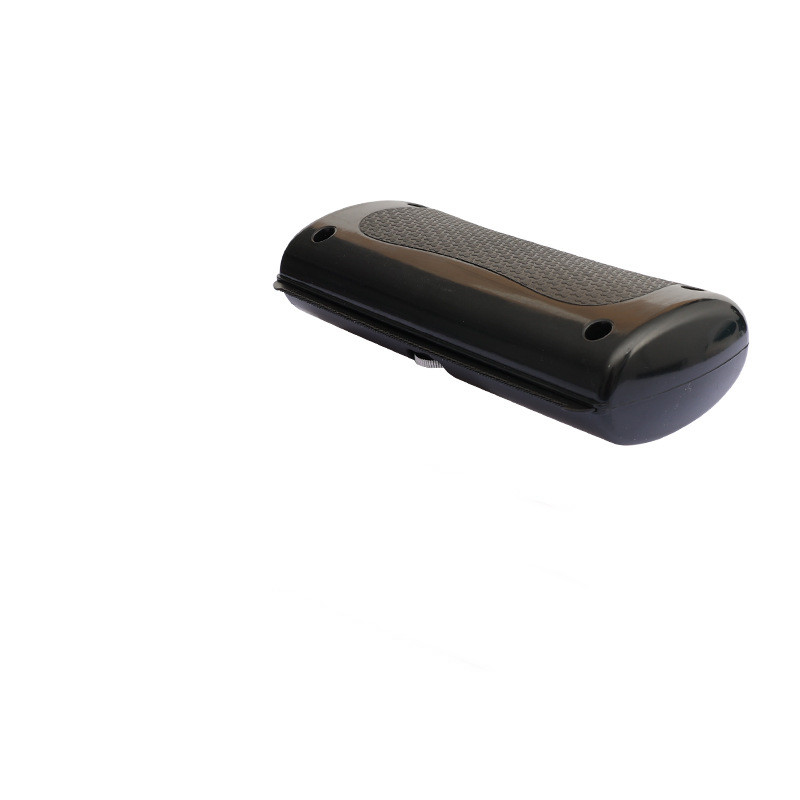
At $1.89, it is the cheapest way to test whether your dog tolerates grooming at all. The trade-off: the glove is best suited to surface hair and may not reach a dense undercoat. Use short, gentle strokes in the direction of the coat.
Best for: short-haired breeds and dogs that dislike handled brushes. Skip if: you need to break up mats or reach a thick undercoat.
How to Groom a Dog to Reduce Shedding
Grooming reduces shedding by removing loose hair before it lands on your floor. A steady routine beats an occasional deep session. Here is the routine we recommend:
- Brush in the direction of the coat with light pressure, never against the skin.
- Work in sections, starting at the back and finishing at the legs and tail.
- Use smooth teeth or a glove first to detangle, then a shedding tool on the undercoat.
- Brush for five to ten minutes, two or three times a week.
- Bathe only when needed, since overwashing dries the skin.
- Check the tool after each session and clear the collected fur.
If you want a tool that sprays as you brush, the Pet Hair Spray Brush has a built-in water tank and release button. Expect seasonal shedding to spike in spring and autumn, so increase brushing frequency then. Watch out: brushing a dry coat too hard causes skin irritation and split ends, so keep pressure light.
Safe Use and Skin-Health Precautions
Safety comes down to pressure, direction, and inspection. Run your hand over the coat before brushing to find lumps, scabs, or tender spots, and work around them. Light pressure in the direction of the coat is the safest approach; brushing against the grain can irritate skin and break hairs.
Work in sections, starting at the back and finishing at the legs and tail. Use smooth teeth or a glove first to detangle, then a shedding tool on the undercoat. Keep sessions to five to ten minutes, two or three times a week, and check the tool after each session and clear the collected fur.
Watch out: brushing a dry coat too hard causes skin irritation and split ends, so keep pressure light. Stop if your dog flinches or the skin reddens. Never force a tool through a mat; work it loose from the edge with smooth teeth, or book a professional groomer for a coat that has matted close to the skin.
Sensitive areas such as the belly, armpits, and behind the ears need lighter pressure and shorter strokes. Puppies, seniors, and dogs with sensitive skin need shorter sessions and lighter pressure than a healthy adult dog. If the skin looks red, flaky, or broken, pause grooming and speak to your vet before continuing.
A consistent, gentle routine removes loose hair before it lands on your floor and keeps the coat healthier.
Puppies, Seniors and Dogs With Sensitive Skin
Young and older dogs need a gentler approach than a healthy adult. Puppies are still learning to accept handling, so keep sessions to two or three minutes and pair brushing with treats. Their coat is soft, and a glove is usually enough.
Senior dogs often have thinner skin and stiffer joints. Support them on a non-slip surface and avoid pressing on hips or spine. For dogs with sensitive skin, choose soft silicone bristles over metal teeth and brush every other day rather than daily. If the skin looks red, flaky or broken, pause grooming and speak to your vet before continuing.
Choosing Your Grooming Brush at AP Retail Mart
Start with coat type, then budget. Double-coated dogs need the serrated comb at $6.42. Short-haired shedders do well with the glove at $1.89. If you want spray-and-brush convenience, the spray brush at $17.16 covers all coat types. Before you buy any pet product online, Google the item and compare offers for the same product, because fake listings are common.
If you are stocking up, browse affordable pet supplies to round out your order, or view our full product range to compare everything in one place. Buying from one store can save you from opening many tabs to find basic supplies.
Shedding is normal, but loose fur on every surface does not have to be. AP Retail Mart stocks a curated pet range with competitive pricing and one checkout for household essentials, so you are not opening five tabs to buy a brush and a phone charger. Search our pet supplies and match a tool to your dog's coat this week.
Frequently Asked Questions
What type of brush is best for dogs that are shedding?
It depends on the coat. A grooming comb with serrated teeth lifts loose undercoat from double-coated breeds, while a spray brush suits all coat types and a silicone grooming glove suits short hair. Match the tool to coat length and density rather than buying one brush for every dog, and brush weekly in the direction the coat grows.
How often should I brush my dog to reduce shedding?
Most shedding dogs do well with two to three sessions a week of 10 to 15 minutes, and daily brushing during seasonal shedding in spring and autumn. Short-haired breeds can be brushed weekly with a grooming glove. Consistency matters more than session length: regular brushing removes loose hair before it lands on your floor and keeps the coat free of tangles and mats.
Can over-brushing a dog damage their coat?
Yes, if you press hard or work the same spot repeatedly. Use light pressure and gentle strokes, and stop when the tool stops picking up loose hair. Never force a comb through a mat; work it loose in small sections first. Dogs with sensitive skin or thin coats should be brushed less often with softer tools such as a silicone grooming glove.
What is the difference between a slicker brush and a deshedding brush?
A grooming comb with serrated and smooth teeth can reach the undercoat of a double-coated dog while smoothing the topcoat in the same pass. Short-haired dogs often need neither and do fine with a grooming glove.
Do grooming gloves actually remove loose fur?
They do collect loose fur. The soft silicone bristles on a grooming glove collect loose hair while massaging the skin, which makes them a good choice for puppies, seniors, nervous dogs and short coats. Use them for a few minutes at a time and peel the collected fur off the mitt as you go.
